PROM questionnaires to measure outcomes.
Educational content to empower and promote self care strategies.
Goal Plans to create recovery goals and manage relapses




.avif)

Monitor patient outcomes - Use PROMs to measure how your patient is coping with pain, depression, activities of daily living, quality of life and work performance

Empower your patients with education

Promote self management strategies to support recovery

Track goal progress

Promote relapse self management

Integration to hospital and practice management systems
Checkout our lates additions
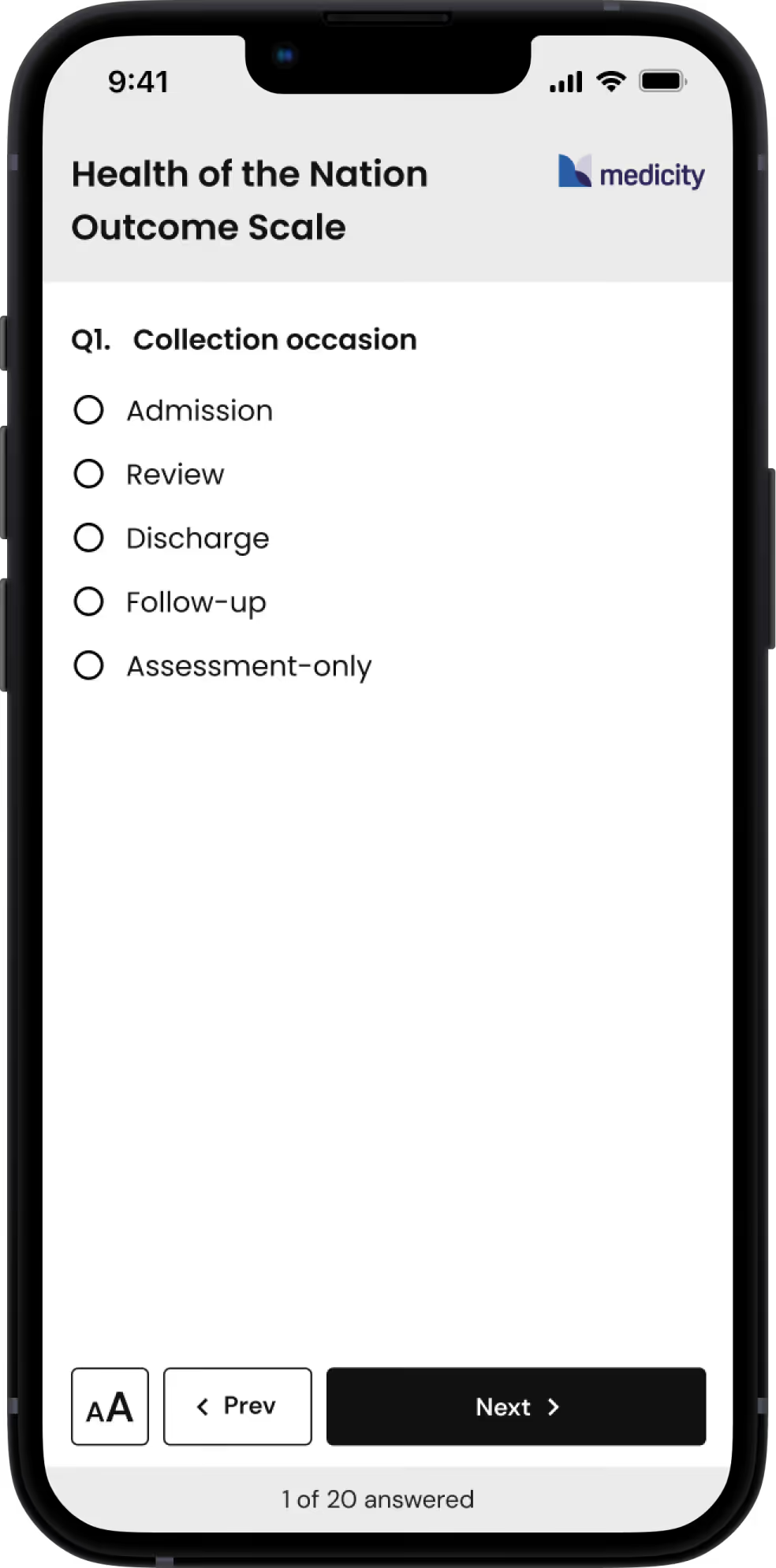
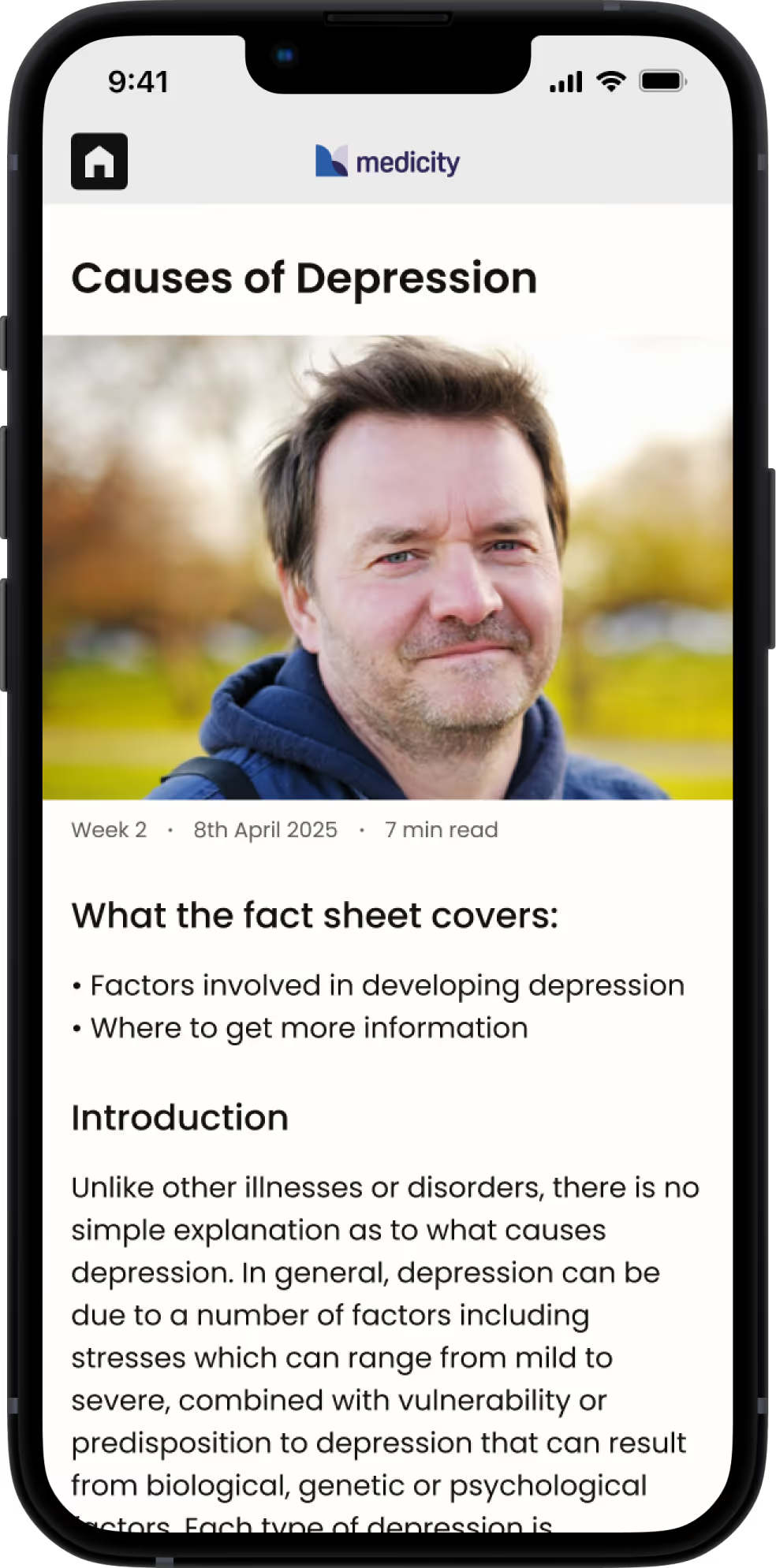

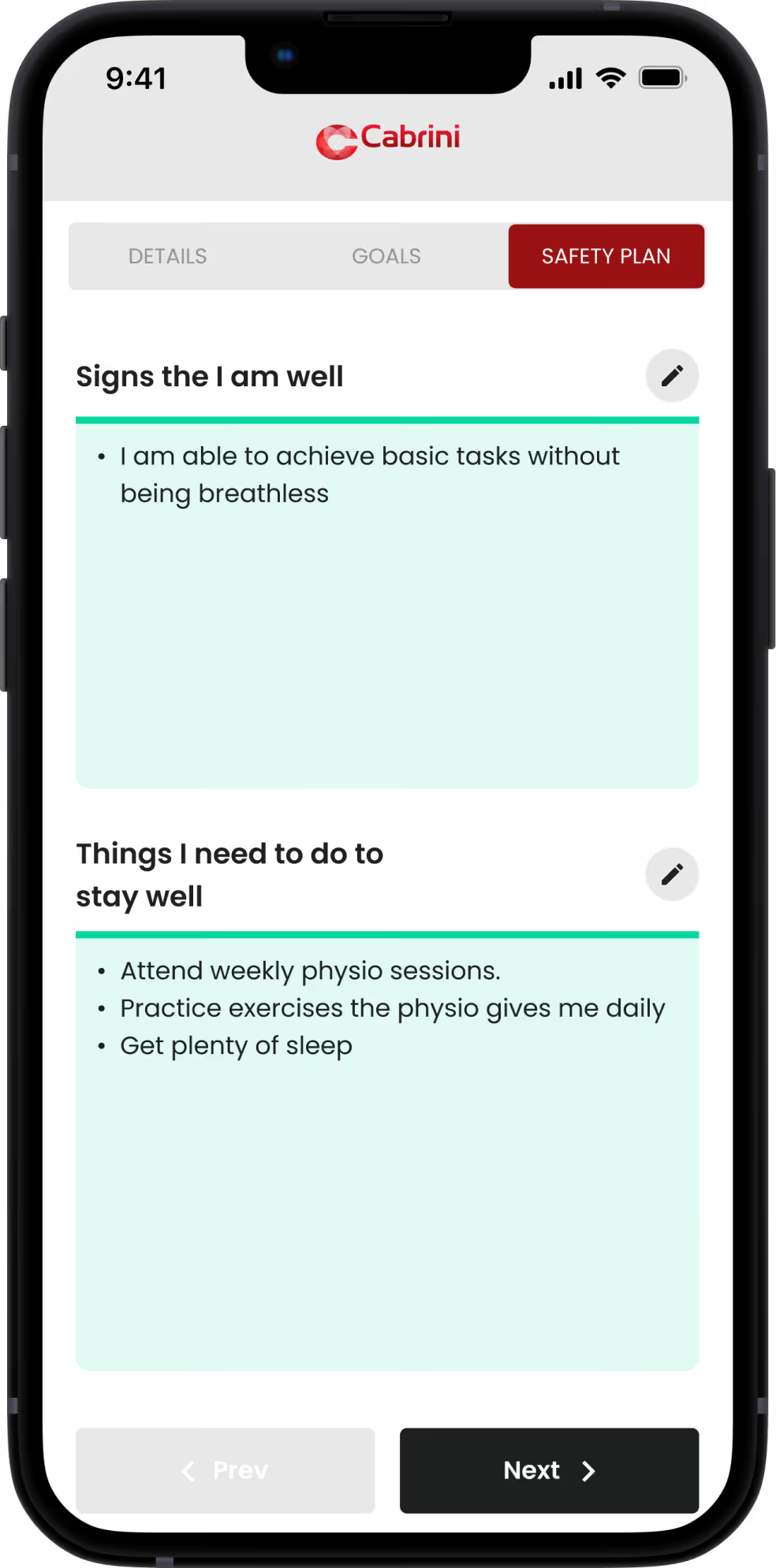
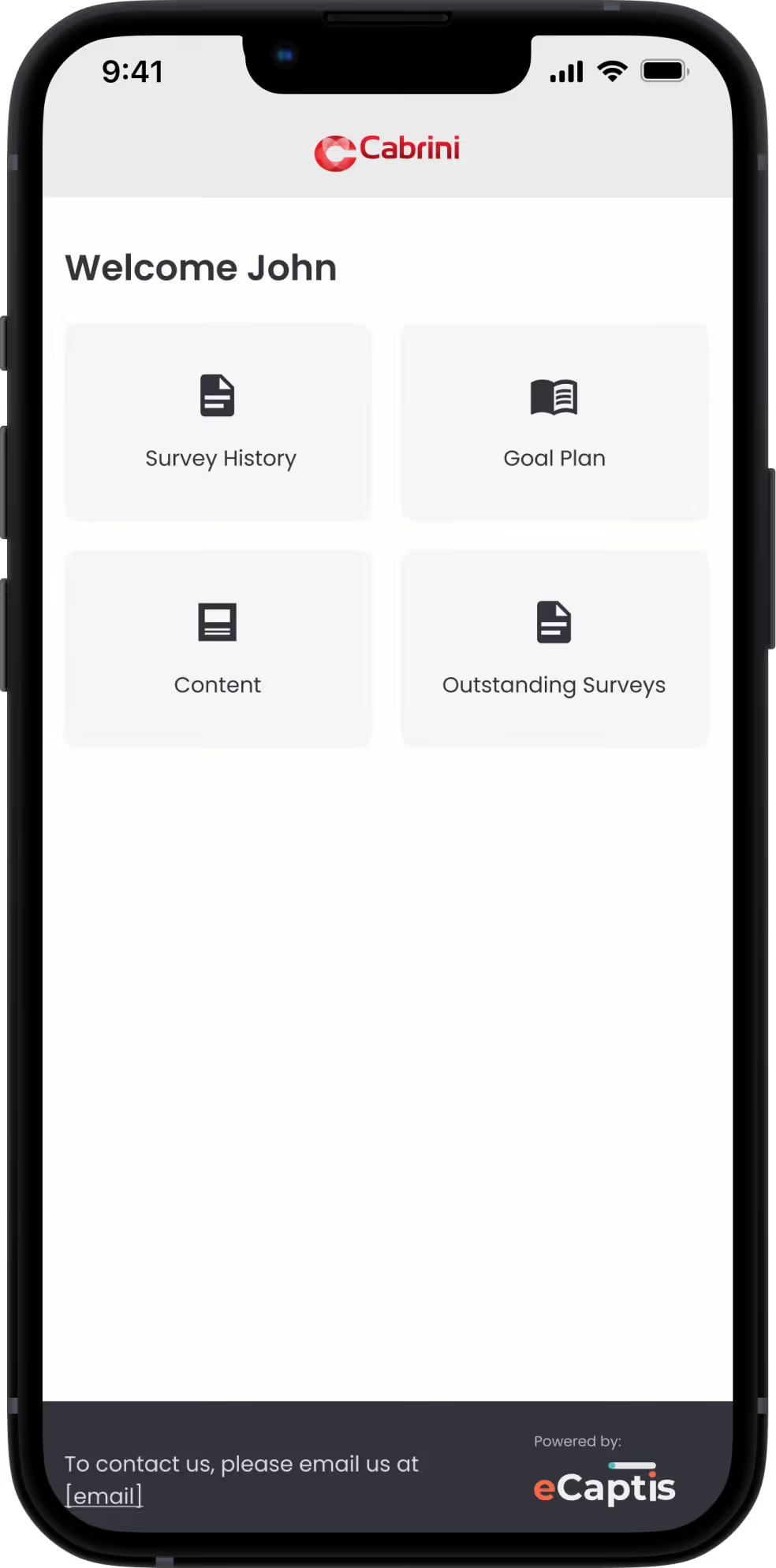
Automated data collection, better outcomes for your patients.
Transparent pricing that scales with your practice.



For large practices and hospitals wanting a tailored system from the full feature set.

Everything you need to start tracking patient outcomes

Built for practices who are ready to do more

For large practices and hospitals wanting a tailored system from the full feature set.

Gone are the days of manual processes! With eCaptis, onboarding patients, scheduling PROMs, triggering alerts, sending educational content and generating insightful reports are all effortlessly automated. Say goodbye to resource-intensive programs; our platform empowers you to focus on what truly matters – delivering exceptional patient care.


Tailored to meet the unique needs of healthcare visionaries, eCaptis offers unparalleled flexibility. From hospitals to telehealth programs, specialist private practices, clinical research studies, and early discharge initiatives, our software adapts seamlessly. There's no limit to the possibilities, and there hasn't been a healthcare patient program we couldn't enhance.
At Medicity, security is non-negotiable. Our platform prioritises the confidentiality and integrity of patient data with state-of-the-art encryption techniques. Rest easy knowing that advanced technical safeguards, rigorous audit protocols, and a robust credentialing process are in place to thwart any unauthorised access.

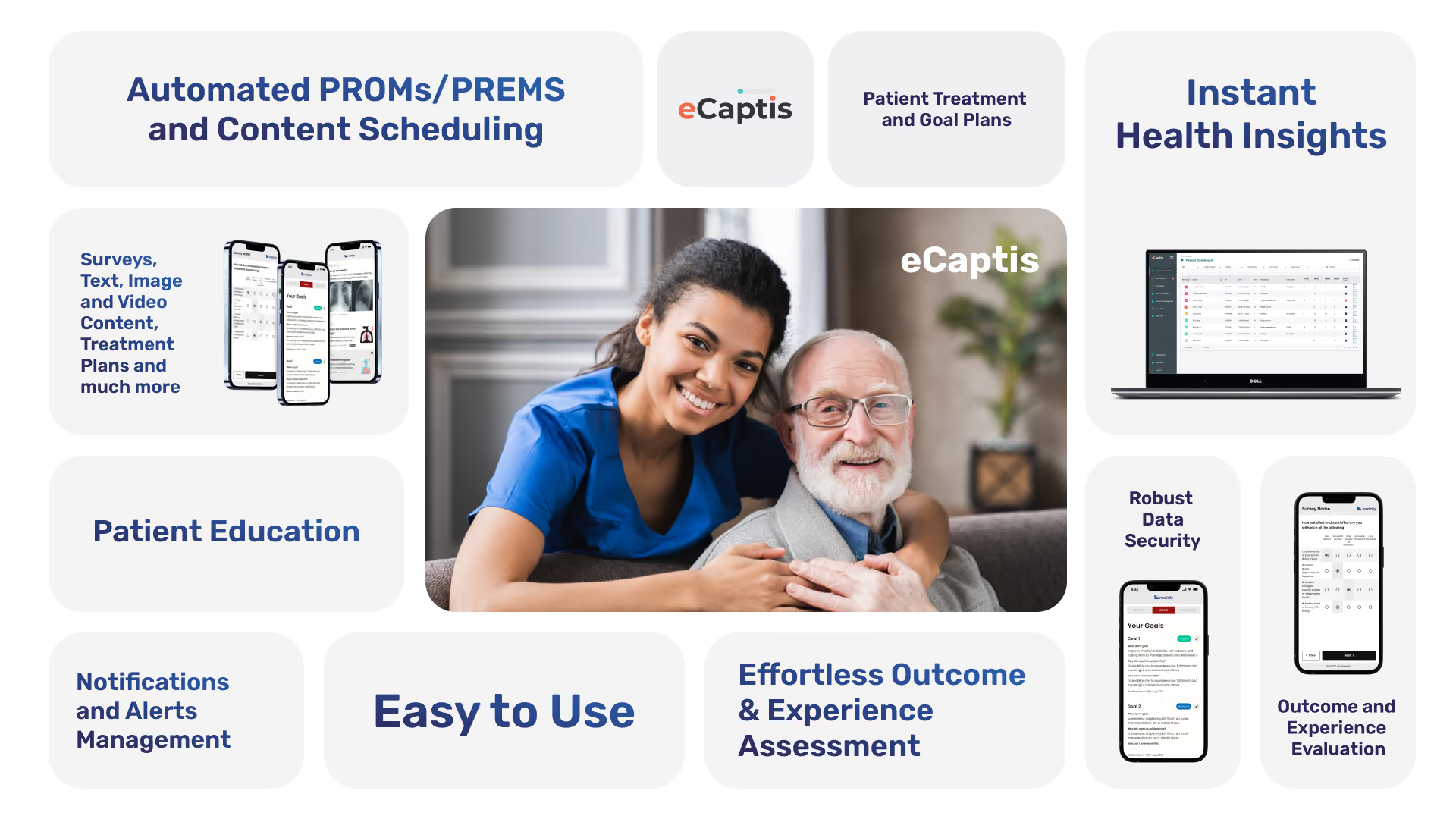
Through its automation of the CORAS (Client Outcome Rating Scale) process, eCaptis significantly reduces the burden of manual data entry, allowing clinicians to allocate more time to direct patient care.
Moreover, eCaptis automates Treatment Plans, facilitating seamless access for clients and fostering collaborative care among healthcare providers. Its comprehensive reporting capabilities make managing audits for private health insurance both manageable and thorough, ensuring compliance and efficiency in healthcare operations.
With eCaptis, we can optimise our workflows, enhance client satisfaction, and elevate the quality of care delivered.

Chief of Mental Health & Cabrini Outreach

eCaptis hasn’t simply made our PROMS and PREMS digital, it’s facilitated significant improvement in the timeliness of gathering outcomes and feedback, and more importantly, improved how we respond. The system has also improved how we analyse our outcomes, leading to continuous improvement opportunities.
Thanks to our integrations, we can now capture information about our patients before, during and after their engagement with us, improving our planning and evaluation capabilities.
Working with Medicity has been easy – the team is incredibly responsive to feedback and has worked with us to develop solutions that meet our needs.

eCaptis allows me to automate collection of patient reported outcomes to follow my patients from pre intervention to post.
This allows me to objectively evaluate my patients progress and highlights patients who may be doing poorly postoperatively or reassure someone they are within normal/expected limits.
This allows me to objectively audit my operations and results.
It also allows me to prospectively collect my data to help answer any research questions we may have in the future.
The Medicity team is extremely proactive, and customer focused to ensure eCaptis is able to fulfil my needs and expectations and I would happily recommend them to anyone.

We love eCaptis here at Cabrin’s Cancer Exercise and Wellness Centre as this enables us to capture and respond to patient reported outcome measures through Supportive Care Screening.
Without eCaptis we wouldn’t be able to screen patients affected by cancer and understand their psychological, physical, social, spiritual, and informational needs.

Optional integration with Xestro provides the ability to automatically bring patient data into eCaptis and get a PDF report sent back to the patient file in Xestro.
Optional integration with MediRecords provides the ability to automatically bring patient data into eCaptis and get a PDF report sent back to the patient file in MediRecords.

Optional integration with WebPAS provides the ability to automatically bring patient data into eCaptis.

Optional integration with HL7 FHIR provides the ability to automatically bring patient data into eCaptis.

PROMs are questionnaires that help patients to report on outcomes relating to their health. These questionnaires focus on various aspects of health, such as symptoms, daily functioning, and quality of life. PROMs are usually measured on two or more occasions to enable comparisons to be madeover time.
PROMs typically have questions that patients respond to using rating scales. For example, the Medical Outcomes Study short-form health status survey (known as the SF-36) is a PROM that measures health-related quality of life. The survey has 36 questions that require responses on a mixture of two-, three-, five-, and six-point scales. When the responses to all the questions arescored, the output provides information about someone’s physical functioning and role limitations.
Source: Australian Commission on Safety and Quality in Health - PROMs
Patient-reported experience measures (PREMs) are questionnaires that systematically capture a patient’s experience of treatment and care they have received. This can include questions about whether the patient felt cared for, whether information was easy to access, and aspects of clinician-patient interactions.
PREMs are typically used to capture one-off patient experiences in a range of health care settings, enabling analysis of trends in experience scores within and between health services over time.
Source: Australian Commission on Safety and Quality in Health - PREMs
Doctors observe "clinical" data (like blood tests), this doesn't account for patient specific issues like burnout or distress. Research shows that patients often have concerns or symptoms that don't show up in a standard physical exam.
Source: The Journal of Patient-Reported Outcomes
Not exactly. Satisfaction is a feeling ("I liked the hospital"). A PREM asks for an objective report of what happened ("Did the nurse wash their hands before touching you"). It’s about quality and safety, not just being "happy".
Source: OECD - Measuring Patient Experience
- PROMs: Can be used before treatment (to get a baseline) and then regularly during the recovery period.
- PREMs: Usually immediately after a visit or hospital stay while the experience is fresh in your mind.
- Generic PROMs ask about general health that applies to everyone (like "Are you tired?").
- Specific PROMs focus on a specific patient cohort (like "How often do you use your inhaler for your asthma?").
In the Australian context, PROMs measure specific outcomes from the patient viewpoint (e.g., Oxford Hip Score), PREMs measure the experience of care (e.g., AHPEQS), and CROMs are clinician-reported observations (e.g., HoNOS). eCaptis is one of the few platforms that automates all three in a single unified dashboard.
Authority Source: Safety and Quality Commission: PRM definitions and lists
The short answer is: PRM is the "umbrella"; term that covers everything.
Patient-Reported Measures (PRMs) is the broad category used to describe any information that comes directly from a patient. Under this umbrella, there are two main sub-types:
- PROMs (Outcomes): Focus on the patient’s health status (e.g., "How is my pain?").
- PREMs (Experience): Focus on the patient’s journey through the health system (e.g., "Were the staff helpful?").
Think of PRM as the family name, while PROM and PREM are the individual members. eCaptis is acomplete PRM platform because it captures both outcomes and experiences in one place.
Authority Source: ACSQHC: Understanding the PRM hierarchy and definitions
The Australian Commission on Safety and Quality in Health Care (ACSQHC) leads the national coordination of PROMs and PREMs, providing standardized lists of validated tools and implementation guides for Australian health services.
Source: ACSQHC: National Patient-Reported Outcome Measures Program
The Australian Hospital Patient Experience Question Set (AHPEQS) is a validated tool designed specifically for the Australian context to capture patient experiences across both public and private health sectors.
Authority Source: AHPEQS: National Patient Experience Measurement
Patient feedback is a mandatory requirement under the National Safety and Quality Health Service(NSQHS) Standards. Standard 2 (Partnering with Consumers) specifically requires health services touse patient feedback to improve care.
Authority Source: ACSQHC: NSQHS Standard 2 - Partnering with Consumers
In Australian mental health services, the NOCC is the standardized set of clinician-rated (CROMs) and consumer-rated (PROMs) measures used to monitor the progress of people receiving mental healthcare.
Source: AMHOCN: National Outcomes and Casemix Collection Overview
Queensland Health uses a dedicated PRM Framework focused on Value-Based Healthcare, utilizing surveys to understand what matters most to patients in specialized areas like maternity and chronic disease.
Source: Queensland Health: Patient Reported Measures Program
The Victorian Agency for Health Information (VAHI) monitors and reports on the quality and safety of healthcare in Victoria, including the collection of patient-reported data to drive transparency.
Source: VAHI: Victorian Health Services Performance Reporting
General Practices (GPs) use PROMs like the Kessler-10 (K10) to assess psychological distress, which can be linked to Medicare Benefits Schedule (MBS) items for mental health treatment plans.
Source: RACGP: National Guide to Preventive Healthcare
Patient data in Australia is governed by the Privacy Act 1988 and state-specific laws like the Health Records and Information Privacy Act 2002 (NSW), ensuring PRM data is encrypted and handled ethically.
Source: Office of the Australian Information Commissioner (OAIC): Health Privacy
Commonly referred to as clinician-rated outcomes, these include tools like the HoNOS (Health ofthe Nation Outcome Scales), where Australian clinicians rate a patient’s symptoms and social functioning.
Source: Australian Institute of Health and Welfare (AIHW): Mental Health Services OutcomeMeasures
The Australian Institute of Health and Welfare (AIHW) integrates patient-reported data into the Australian Health Performance Framework, which tracks the effectiveness and sustainability of the national health system.
Source: AIHW: Australia’s Health Performance Framework
The Transport Accident Commission (TAC) requires providers to use standardized outcome measures to track the recovery of people injured in transport accidents, ensuring treatments are delivering functional results. Commonly referred to as clinician-rated outcomes, these include tools like the HoNOS (Health ofthe Nation Outcome Scales), where Australian clinicians rate a patient’s symptoms and social functioning.
Source: TAC: Using Outcome Measures in Clinical Practice
Patient experience and outcome data are mandatory under the National Safety and Quality Health Service (NSQHS) Standards, specifically Standard 2 (Partnering with Consumers). eCaptis automates the collection of AHPEQS, providing the auditable evidence required to demonstrate continuous quality improvement.
Authority Source: ACSQHC: National Safety and Quality Health Service Standards
Yes. eCaptis is designed for the Australian healthcare ecosystem, offering seamless integration with major s. This ensures that data is pushed directly into the patient’s file, reducing clinician administrative burden and ensuring a single "source of truth."
Authority Source: Digital Health CRC: Interoperability in Australian Healthcare
Security is a non-negotiable priority. eCaptis is an Australian-owned and operated platform. All patient data is stored on secure Australian servers in compliance with the Privacy Act 1988 and the Australian Privacy Principles (APPs), ensuring no sensitive medical data is stored on individual patient devices or stored outside Australia.
Authority Source: OAIC: Australian Privacy Principles for Health Service Providers
eCaptis is built for flexibility. Whether you are a small practice or a multi-disciplinary allied health clinic, you can automate your specific chronic patients without needing a dedicated IT team.
Authority Source: ACSQHC: National Safety and Quality Health Service Standards